
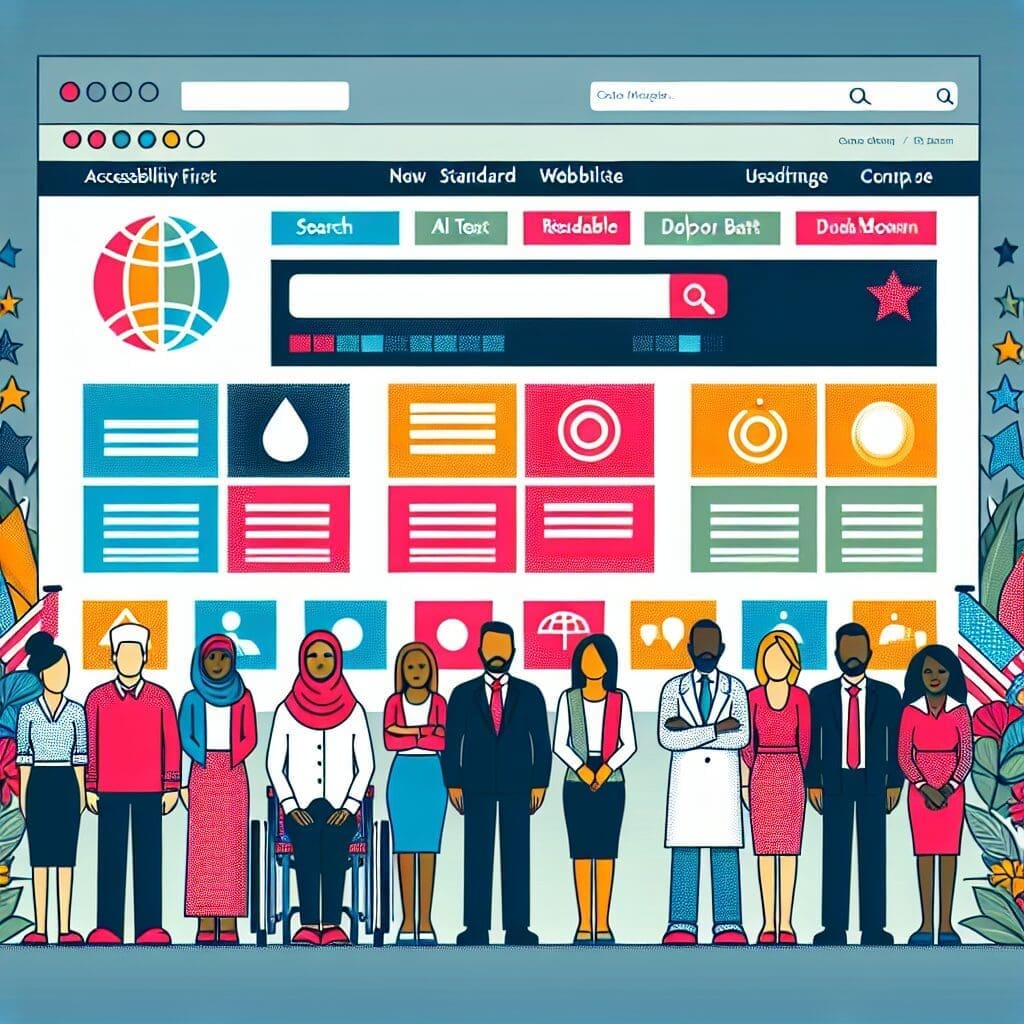

As government websites evolve, accessibility and inclusive design have become top priorities for municipalities aiming to serve all residents effectively. Embracing these standards not only enhances user experience but also ensures compliance with legal requirements and fosters greater civic engagement.
The Importance of Accessibility in Municipal Websites
Accessibility in municipal websites is essential because it guarantees that all residents, regardless of their abilities, can access vital city or county information and services. An accessible website removes barriers for people with disabilities, including visual, auditory, motor, or cognitive impairments. This inclusivity supports equal participation in civic life and helps governments meet legal standards such as the Americans with Disabilities Act (ADA).
Implementing accessible design isn’t just a legal obligation; it’s good practice that positively impacts community trust and satisfaction. When residents find it easy to navigate government sites, they’re more likely to engage with city services, submit feedback, and stay informed about local initiatives. For local leaders, prioritizing accessibility demonstrates a commitment to equity and transparency.
Modernizing Municipal Websites with User-Friendly Design
Today’s residents expect government websites to be intuitive and easy to navigate. Modern design principles focus on clarity, responsiveness, and simplicity, making it easier for users to find what they need quickly. Features like clear menus, search functions, and mobile-friendly layouts ensure that residents can access services from any device, anytime.
For small and mid-sized local governments, upgrading to a user-friendly website can be simplified with tools like SnapSite’s municipal website design services. These platforms often include customizable templates and built-in accessibility features, helping cities meet best practices without extensive technical expertise. Engaging residents with an attractive, easy-to-use site builds trust and encourages ongoing interaction.
Implementing Inclusive Digital Solutions for Communities
Inclusive digital solutions extend beyond the website’s appearance to encompass the range of services offered online. Tools like MyCityGov citizen portals enable residents to access a variety of municipal services—from paying bills and registering for programs to submitting permits and providing feedback—all in one place. These platforms are designed to be accessible, ensuring that people with disabilities can fully participate in civic life.
By integrating these digital solutions, local governments can streamline administrative processes, reduce wait times, and improve overall service delivery. Residents benefit from convenience and transparency, fostering a stronger sense of community engagement. These platforms often include accessibility features like screen reader compatibility, adjustable font sizes, and multilingual options, further enhancing usability.
Legal and Ethical Responsibilities for Local Governments
Adhering to accessibility standards is not just a best practice but a legal requirement for government entities. The ADA mandates that public websites be accessible to individuals with disabilities, and failure to comply can lead to legal challenges and fines. Staying ahead of these requirements involves regular audits and updates to ensure ongoing accessibility compliance.
Beyond legal obligations, ethical responsibility calls for equitable access to information and services. Cities and counties that prioritize inclusive design demonstrate respect for all residents and foster a more inclusive community. Employing tools like SnapSite’s accessible website features and MyCityGov’s inclusive portal solutions can simplify compliance and promote social equity.
Next Steps for Municipal Leaders
Municipal leaders should regularly review their current websites to identify areas for improvement in accessibility and user experience. Upgrading to modern tools like SnapSite’s municipal website design can provide an easy pathway to a more accessible and engaging online presence. Additionally, implementing a comprehensive citizen portal through MyCityGov can centralize digital services and improve resident engagement.
Engaging with experienced partners who understand the unique needs of local governments can make the transition smoother. These solutions are designed to be scalable, ensuring that even small and mid-sized municipalities can benefit from cutting-edge digital innovations. By prioritizing accessibility first, city and county leaders can build a more inclusive, transparent, and responsive government.
Take the time to evaluate your current municipal website’s accessibility and consider adopting modern digital tools like SnapSite and MyCityGov. These investments not only enhance civic engagement but also demonstrate a commitment to serving every resident effectively and equitably.