

The Role of Social Media in Political Engagement and Participation
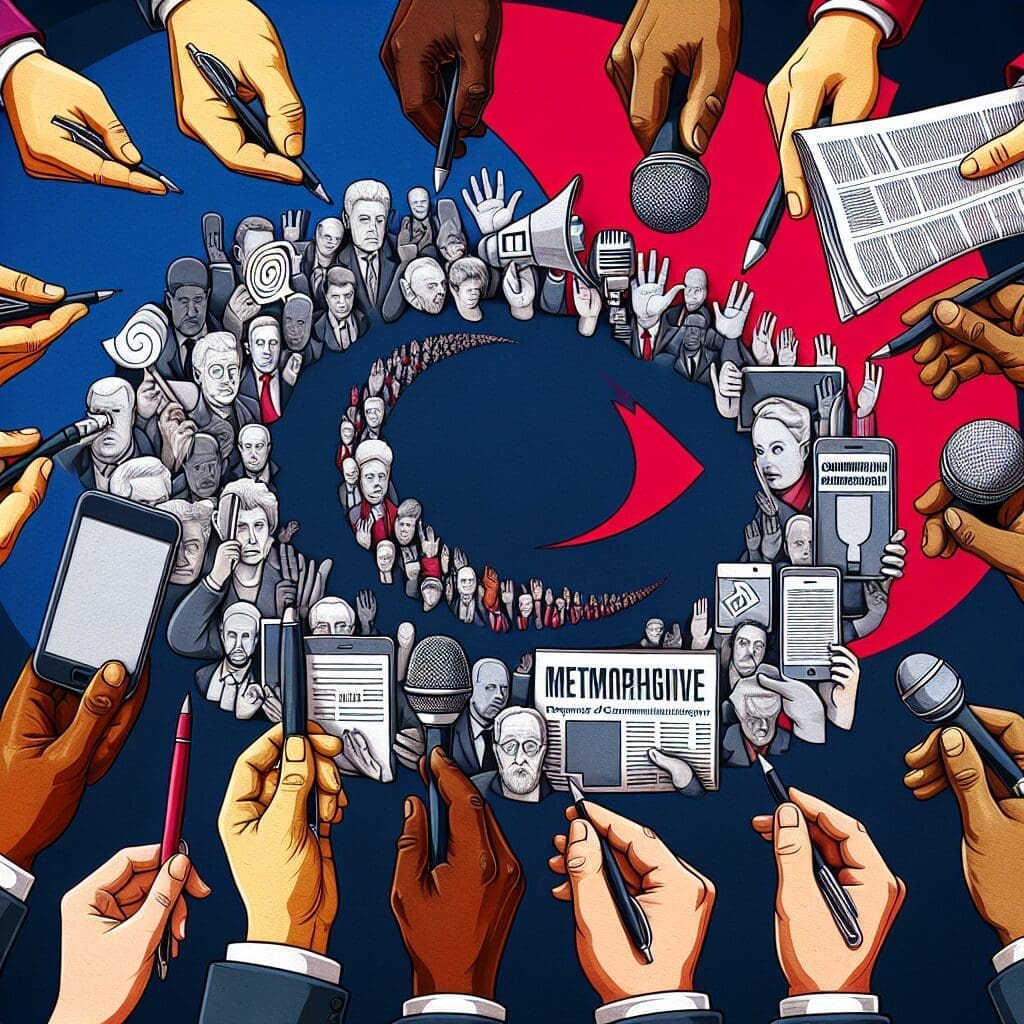
In recent years, social media has revolutionized the way political engagement and participation occur, significantly reshaping the landscape of democratic processes. Platforms like Facebook, Twitter, Instagram, and TikTok have become vital tools for candidates and voters alike, facilitating interaction, mobilization, and information dissemination.
Social Media: A Catalyst for Political Engagement
Social media allows politicians to connect directly with constituents, bypassing traditional media gatekeepers. Candidates can share their views, policies, and campaign events instantly, reaching wide audiences with minimal effort. This immediacy not only helps candidates disseminate information but also enables voters to engage actively in discussions surrounding political issues.
The interactive nature of these platforms encourages a two-way dialogue. Voters can ask questions, share opinions, and express their concerns, making political engagement more dynamic and participatory. Moreover, social media has proven effective in mobilizing grassroots movements, rallying supporters for events, and even organizing protests.
Amplifying Political Participation
Social media’s capacity to reach diverse demographics makes it an invaluable asset for increasing voter turnout. Engaging Campaigns often utilize tailored content to resonate with various age groups, ethnicities, and communities. Younger voters, in particular, are more likely to engage in politics through social media. By creating relatable content that can go viral, Campaigns can stimulate interest in electoral participation and motivate individuals to vote.
The Importance of Authenticity
In a world where misinformation can spread rapidly, authenticity is key. Political candidates who use social media transparently, sharing their personal stories and motivations, can build a sense of trust with their audience. Voters are more likely to engage with candidates who appear genuine and approachable.
How SnapSite Can Help
To maximize the effectiveness of social media in political engagement, candidates and campaign teams need strong, user-friendly digital platforms. This is where SnapSite comes in. SnapSite provides tailored solutions for Political Campaigns, offering streamlined websites that showcase a candidate’s platform and amplify their social media presence.
By utilizing SnapSite’s political campaign website services, candidates can create an online hub that channels their social media efforts, enhancing audience interaction and engagement. A well-designed website not only represents a candidate’s brand but also serves as a critical resource for information about policies, events, and campaign updates.
Moreover, SnapSite offers valuable tools and insights on how to win an election, equipping campaign teams with the strategies necessary to effectively leverage social media for outreach and engagement.
Conclusion
Social media has become an indispensable tool in the sphere of political engagement and participation. Its ability to facilitate direct communication and mobilize communities plays a crucial role in shaping electoral outcomes. With the right support from platforms like SnapSite, candidates can harness this potential, ensuring that their message resonates and engages voters effectively. As we continue to navigate this digital age, understanding and leveraging these tools will be essential for a thriving democracy.
Political Media Engagement and Management